Why Grip Strength Matters:
Grip strength serves as a significant marker of overall health and longevity. Research shows that weak grip strength in middle age is linked to increased risks of heart disease, cognitive decline, certain cancers, depression, disability, and even early mortality Grip Strength Longevity Clinicians are increasingly calling it a “vital sign” for aging—because stronger grips often correlate with longer, healthier lives.
To learn more: Grip strength can indicate health and longevity | CNN
How to Train:
- Deadhangs – Simply hanging from a pull-up bar for 30–60 seconds.
Farmer’s carries – Walking while holding heavy dumbbells or kettlebells engages support grip and builds full-arm strength.
Plate pinches, and wrist curls – Target pinch grip, and wrist/finger muscles.
Everyday load-bearing tasks – Activities like carrying groceries, using resistance bands, and performing pull-ups all enhance grip.
Tip: Consistency matters—perform several short sessions (e.g., 3–5 hangs or carries) multiple times weekly. Combine grip training with general strength work.
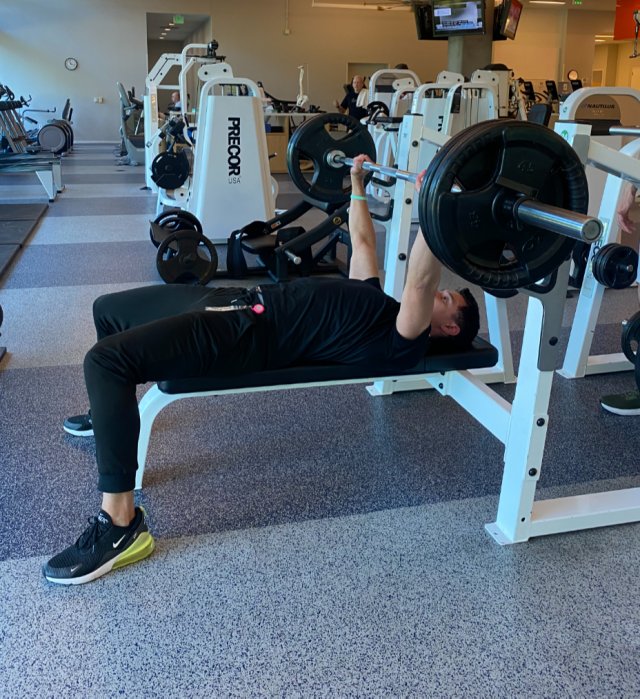
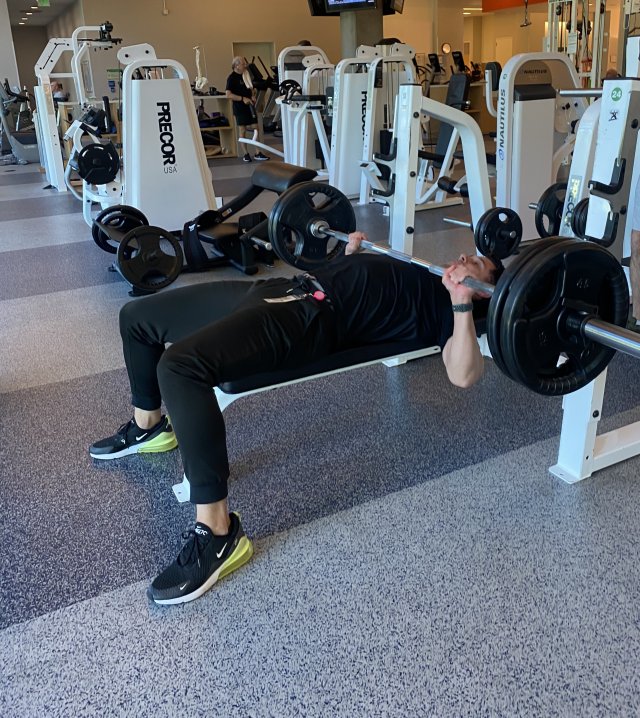
Why It Matters: The bench press is a foundational compound exercise that builds upper body foundation, strength and power. It can improve bone dinsity and reduce risk of osteoporosis. It can elevate your resting metobolic rate. Boosts core stability and help lower blood pressure.
How to Train: Fix your technique - Place hands slightly wider than shoulder-width apart. Keep elbows tucked at a 45-degree angle, not flared out. Improve lockout power by heavy tricep extensions and close grip chest presses. Strengthen rotator cuff and rear deltoids to improve stability - like face pulls, band pull aprats, and reverse cable flies.
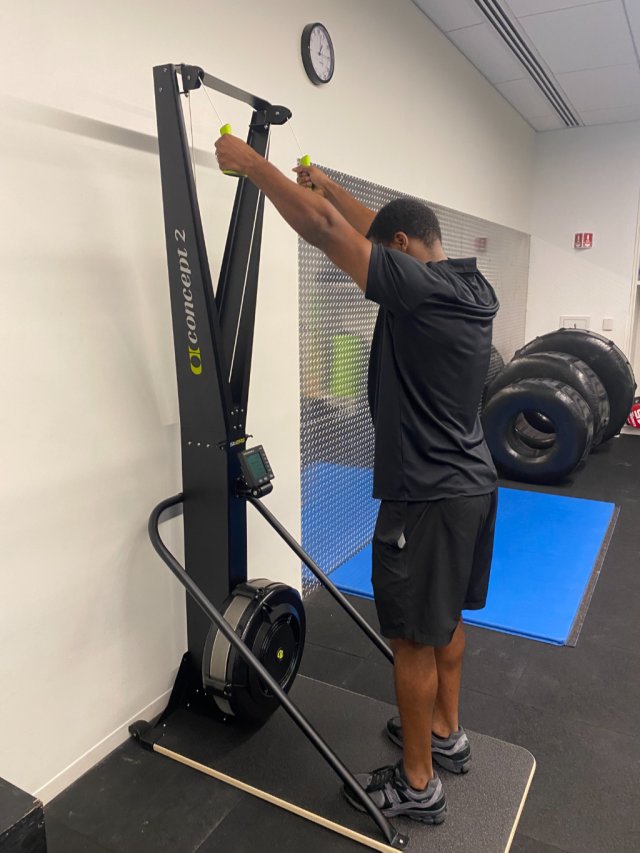
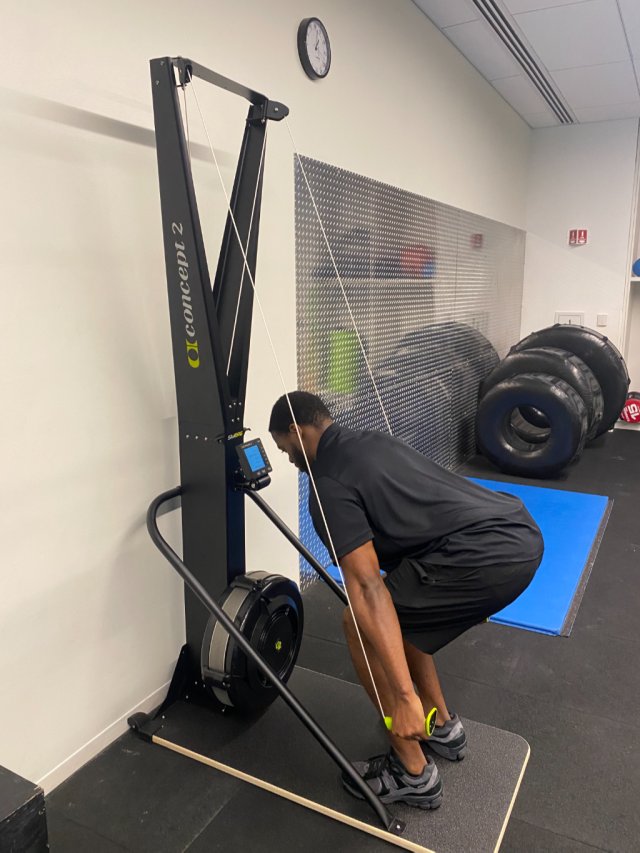
Why It Matters: The SkiErg is a low-impact, high intensity cardio machine that combines full-body muscular endurance workout without the jarring impact of running - protects knees, hips and ankles from stress. Counters the slouching caused by office desk work. Strengthens posterior chain - specifially upper back, lats and rear shoulders. Demands massive energy expenditure making it highly effecient for burning calories.
How to Train: Use your core. Try not to rely solely on your arms. Let your body weight and stomach muscles do the heavy pulling. Find your cadence to maintain a stady rhythm. Think of the movement like a kettlebell swing or a deadlift. Build progress by doing sprint intervals for power, steady state pace for endurance.
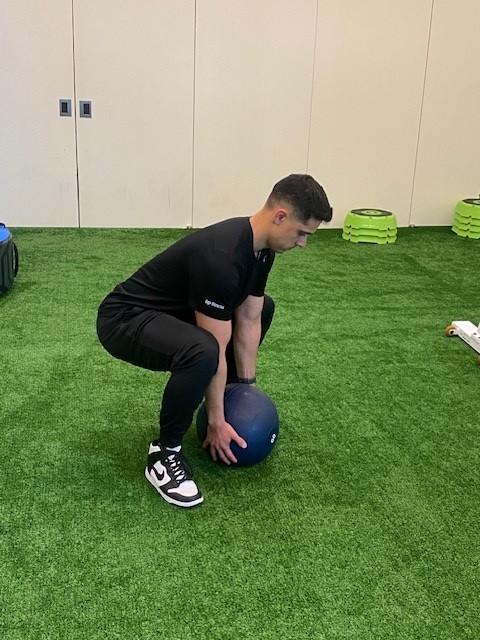
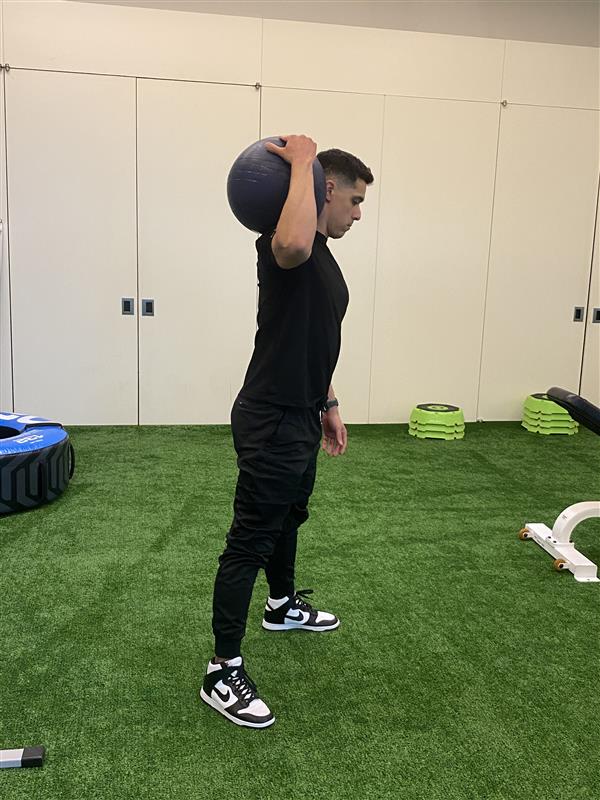
What it Works: It's a dynamic exercise that involves lifting and throwing the ball over the shoulder, utilizing muscles like the deltoids, trapezius, core stabilizers, quadriceps, glutes, and lower back muscles.
Event weights: 25lb slam ball for women, 40lb slam ball for men
How to Train: Practice event with weighted slam balls for time or reps. Vary the weights (heavier or lighter) to focus on speed or strength.
Check out this Darebee program which has a med-ball conditioning focus.
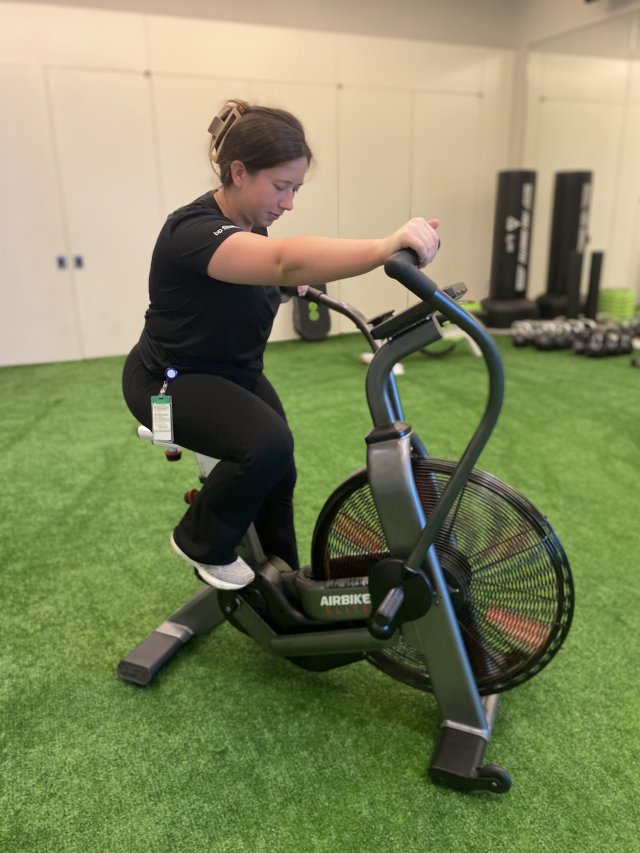
What it works: The air bike is primarily used for increasing cardiovascular endurance while improving functional fitness by utilizing synchronized movement throughout multiple muscle groups including the arms, back, core, and legs. It can be an excellent low-impact exercise that improves overall strength, muscle tone, and coordination alongside cardiovascular strength and stamina.
How to Train: Be sure to adjust the bike seat to around hip height, where your knees are slightly bent at the bottom of the pedal stroke. Engage your core and pedal with a forceful but smooth motion, avoiding swaying the upper body back and forth and maintaining an upright seated position.
Check out this article: How To Use an Air Bike: Tips, Technique & Benefits
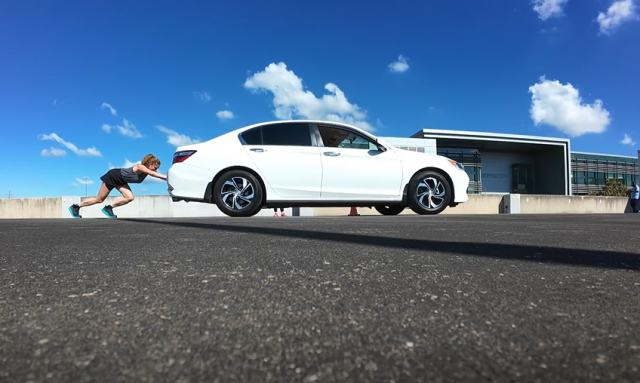
Why It Matters: Serves as an ultimate test of real-world functional strength and emergency readiness - such as moving a stalled vehicle safely out of a dangerous traffic lane. Allows you to build massive leg power and strength without putting stress on your lower back. Forces you to drive 1 leg at a time, mimicking running. This identifies, targets, and fixes strength imbalances between left and right leg.
How to Train: Load a sled heavily and push from a low, forward leaning handle position. (3-5 sets of 15-20 meters). Improve on the "big lifts" such as dealifts, hip thrusts and standing overhead presses. Build stability in your core with heavy farmers carries.
Why It Matters:
• Improves heart health, weight management, blood pressure, and insulin sensitivity.
• One mile runs boost VO₂ max, lower resting heart rate, strengthen bones, and enhance mood, focus, and sleep.
• Boosts mood, memory, balance, and immune function.
• Interval or “power” walking—like Japanese or Nordic walking—enhances calorie burn, endurance, and joint health.
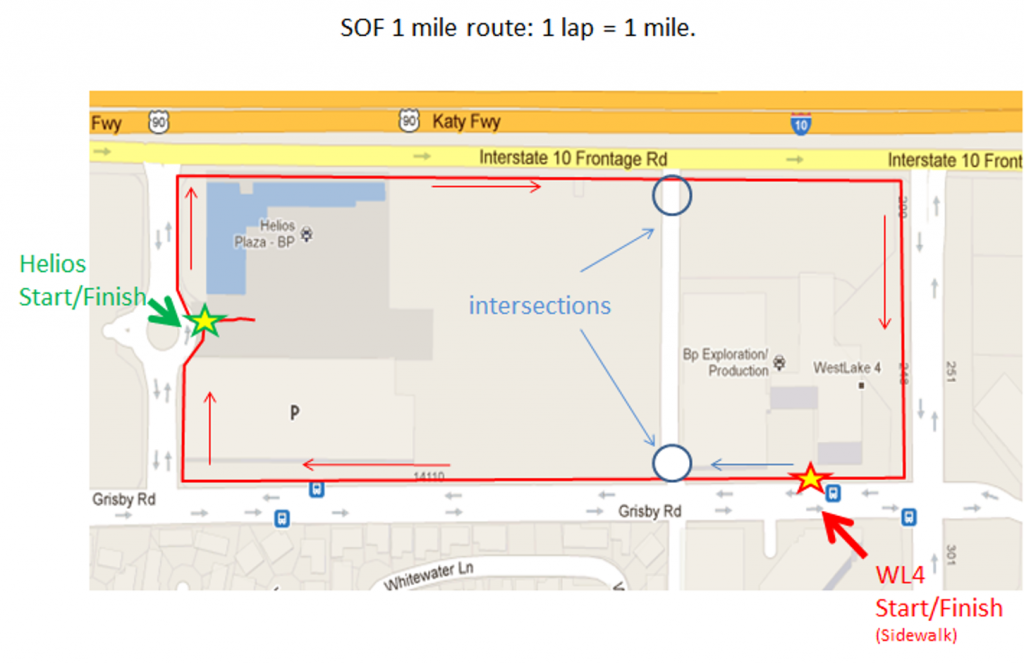
How to Train: Run 3–4×/week with a mix of easy runs, interval/speed sessions, and strength/mobility training.
• Beginners can alternate run/walk (e.g., 2 min run + 1 min walk for 15–30 min) .
• Add tempo runs, hill repeats, form drills to boost pace and efficiency.